


Prichard Colón, the Puerto Rican boxer whose life changed after a controversial fight, has died
Prichard Colón died at 33, almost 11 years after the fight that caused him a severe brain injury and ended his career
Former Puerto Rican boxer Prichard Colón died this Thursday, August 13, at the age of 33, almost 11 years after the fight that ended his career and caused him a severe brain injury. His death was confirmed by his family and later by the World Boxing Council (WBC).
Colón was just 23 years old when he stepped into the ring on October 17, 2015, at the EagleBank Arena in Fairfax, Virginia, to face the then-undefeated Terrel Williams. He arrived with an impressive record of 16 wins, 13 of them by knockout, and was considered one of the most promising prospects in Puerto Rican boxing.

However, that night would be the last fight of his career.
A fight marked by controversy
During the bout, Colón received several illegal blows to the back of the head, known in boxing as "rabbit punches." The Puerto Rican even argued with referee Joseph Cooper about the impacts.
In the seventh round, Williams was penalized with the loss of a point for one of those blows. Colón had a few minutes to recover, but the fight continued.
The situation worsened in the ninth round. Williams knocked Colón down twice, and the second knockdown occurred just seconds before the bell rang. The Puerto Rican boxer finished the round visibly shaken.
It was then that another incident occurred that would mark that night.
His corner thought the fight was over and began removing his gloves. By the time they realized there was still a tenth round to go, too much time had passed to put them back on.
As a result, the referee disqualified Colón before the start of the final round and declared Williams the winner.
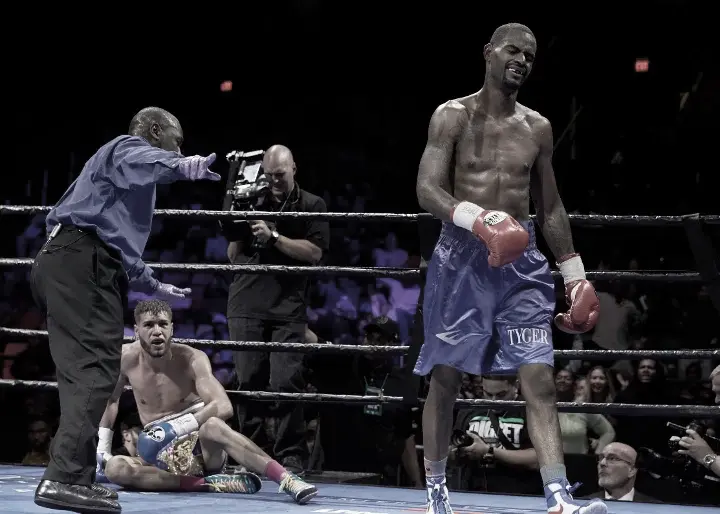
But the most serious problems were just beginning.
An injury that changed his life
After returning to the locker room, Colón began to feel unwell. According to reports from that time, he experienced dizziness and vomiting before losing consciousness.
He was rushed to Inova Fairfax Hospital, where doctors discovered a brain hemorrhage. The severity of the injury necessitated emergency surgery to reduce the pressure inside his skull and remove the accumulated blood.
Colón remained in a coma for 221 days.
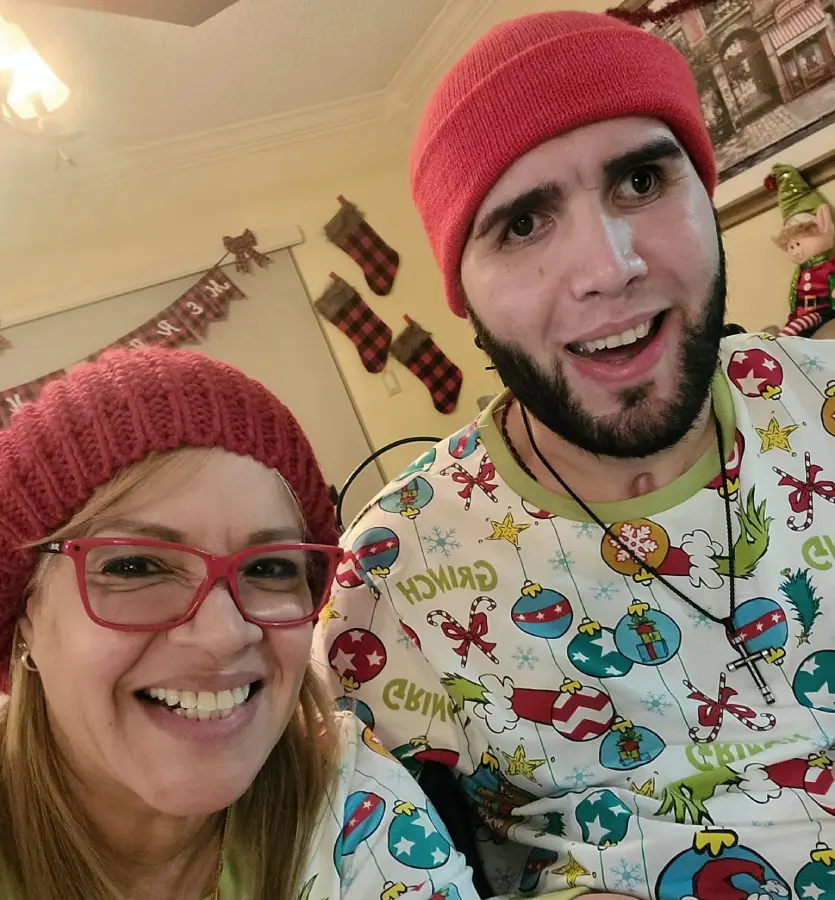
After waking up, he was left with severe neurological damage and required constant care. During the following years, his parents, Nieves Meléndez and Richard Colón, cared for him and accompanied him through his rehabilitation treatments.
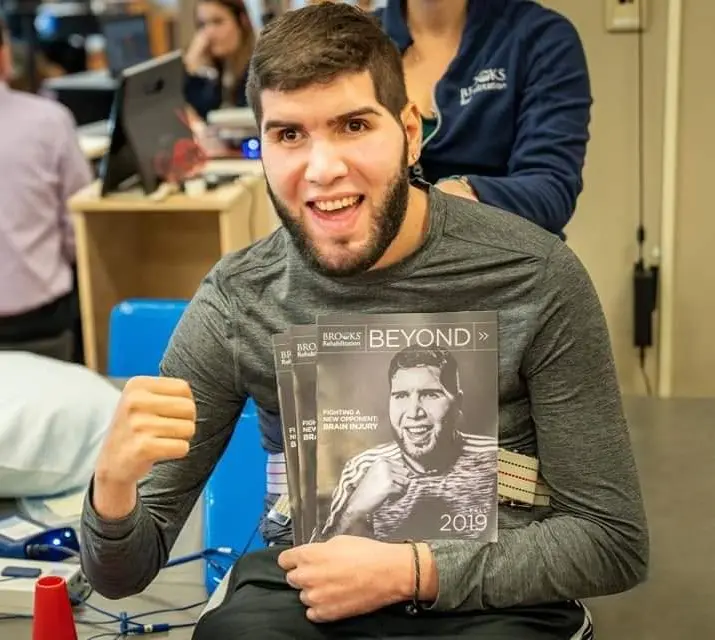
For years, the family held onto the hope that he would regain some of his function. In 2021, the WBC reported some progress made thanks to his rehabilitation and the constant care of his parents.
That same year, the organization recognized Colón as an honorary world champion and presented him with the traditional green and gold belt.
Colón's case left a mark on boxing
The tragedy also prompted changes within the sport. In 2016, the World Boxing Council created the so-called "Prichard Colón Rule," related to a zero-tolerance policy for blows to the back of the head.
In 2021, Colón had to undergo another surgery after doctors detected a depression in part of his skull that was putting pressure on his brain. During the procedure, the affected fragment was removed and replaced with a plate.
The WBC also highlighted the support Colón and his family received during those years from Al Haymon, TGB Promotions, and other collaborators.
After learning of his death, WBC President Mauricio Sulaimán recalled the strength the former boxer demonstrated during nearly a decade of struggle.
“Prichard taught us that the true value of a champion is not measured solely by the victories achieved in the ring,” Sulaimán stated.
Colón was forced into retirement with a professional record of 16 wins and one loss, all his fights taking place before that fateful night in Virginia.
He was 23 years old when his career was cut short and 33 when he finally passed away. For nearly 11 years, his story transcended boxing and became the tale of a family who stood by him as he faced the consequences of one of the most serious injuries an athlete can suffer.